How Georgia is Tackling Bee-Killing ‘Pesticide Drift’ with Online Mapping Tool

Georgia has taken a significant step forward in protecting its vital bee population by joining an innovative online mapping tool designed to reduce ‘pesticide drift.’ This initiative aims to safeguard bees from the unintended consequences of pesticide application, which can devastate these essential pollinators.
Understanding ‘Pesticide Drift’
‘Pesticide drift’ refers to the airborne movement of pesticides from the target area to non-target areas, often due to wind, equipment malfunction, or incorrect application methods. This can lead to unintended exposure of bees and other beneficial insects to harmful chemicals, causing substantial declines in bee populations and affecting the broader ecosystem.
The
Role of Georgia Agriculture Commissioner Tyler Harper
Georgia Agriculture Commissioner Tyler Harper has driven the state’s adoption of the online mapping tool. Commissioner Harper emphasized the importance of this initiative for protecting Georgia’s agricultural economy and its pollinators. Particularly this helps farmers make more informed decisions related to pesticide applications.
To help beekeepers and farmers work together, Georgia has become the 25th state to join an online mapping tool aimed at reducing “pesticide drift” from farms to beehives.
FieldWatch: The Organization Behind the Tool
FieldWatch is the organization that developed and manages the online mapping tool. Known for its innovative approaches to agricultural safety, FieldWatch provides a platform where beekeepers, farmers, and pesticide applicators can share critical information to minimize pesticide drift.
One of FieldWatch’s key tools is BeeCheck, which allows beekeepers to register their hive locations and receive notifications about pesticide applications in their vicinity. BeeCheck enhances the protection of bee populations by ensuring that applicators are aware of nearby hives and can take measures to reduce drift.
How the Online Mapping Tool Works
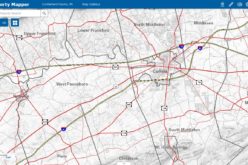
The online mapping tool that Georgia has adopted is a collaborative platform where beekeepers, farmers, and pesticide applicators can share information in real time. Here’s how it operates:
- Data Input: Beekeepers register their hive locations on the platform, providing crucial data on where bees are most at risk.
- Pesticide Notification: Farmers and pesticide applicators can view these hive locations and adjust their application plans accordingly to minimize drift.
- Weather Monitoring: The tool includes real-time weather data, helping applicators avoid spraying during conditions that increase drift risks, such as high winds.
- Alerts and Notifications: Beekeepers receive notifications about planned pesticide applications near their hives, allowing them to take protective measures.

Benefits for All Stakeholders
For Beekeepers:
The tool provides a much-needed layer of protection, ensuring that their bees are less likely to be exposed to harmful pesticides. This can lead to healthier hives and more robust honey production.
For Farmers:
By reducing pesticide drift, farmers can improve their crop yields and quality. Healthier bee populations mean better pollination and, consequently, better harvests.
For the Environment:
Minimizing pesticide drift helps protect the broader ecosystem, preserving biodiversity and maintaining ecological balance. Healthier bee populations support the pollination of wild plants, contributing to vibrant natural habitats.
Collaborative Efforts and Future Goals
Georgia’s adoption of this online mapping tool is part of a broader effort to promote sustainable agricultural practices and protect pollinators. This initiative highlights the importance of collaboration between various stakeholders, including state agencies, agricultural organizations, and environmental groups.
In our opinion, future goals include expanding the tool’s capabilities to cover more areas and incorporating additional features such as mobile access and advanced predictive analytics.
Conclusion: A Positive Step Forward
The introduction of the online mapping tool in Georgia is a positive step forward in the fight against ‘pesticide drift’ and its detrimental effects on bee populations. By leveraging technology and fostering cooperation among beekeepers, farmers, and applicators, Georgia is paving the way for a more sustainable and environmentally friendly approach to agriculture.
News Source: GPB